
Case Study: Why I Left Rocket.net for ScalaHosting

Tom Dupuis runs onlinemediamasters.com and is known for his “no filter” hosting reviews, including sharing what’s happening behind the scenes. We asked him to pull back the curtain and share the raw, behind-the-scenes reality of his experience moving to ScalaHosting in his own words:
Here’s my story of what happened with Rocket.net, why I moved to ScalaHosting, and a case study with numbers detailing how it fixed so many problems.
I used Rocket.net for years and sent them hundreds (potentially thousands) of customers. Mainly because at the time, I believed they were the fastest WordPress hosting with Cloudflare Enterprise, a ~100ms global TTFB, and they would stay independent of private equity.
Red flags went off when I realized how much they charged in bandwidth for shared hosting with discontinued 2013 CPUs (causing noticeable performance issues). But it was the hosting.com acquisition that ultimately pushed me to leave. Not just because I felt I led my readers in the wrong direction, but Rocket.net also rejected several thousands of dollars in affiliate commissions. Compared to other hosts I helped grow in the past (SiteGround and Cloudways), Rocket.net became a poor investment as a customer and especially as an affiliate.
Luckily, many people I referred to came back to my blog after the acquisition. While I was disappointed, I was also excited (and curious) what would happen if I finally moved to ScalaHosting. Someone who’s been on my radar for some time because of the improvements they were making to hardware, SPanel, and support.
Weeks before Rocket.net was acquired, I got an email from Chris at ScalaHosting saying they added AMD EPYC 9474F CPUs which are one of the fastest CPUs in PassMark. Shortly before that, FlyingPress also reintroduced Cloudflare Enterprise via FlyingCDN.
Which means I could replace Rocket.net’s 2013 CPUs with ScalaHosting’s, then use FlyingCDN for Cloudflare Enterprise. Which in theory, should give me significantly better performance for ½ the price of Rocket.net. So that’s what I did.
The info below compares the key hardware specifications of the server environments used by Rocket.net and ScalaHosting, focusing on CPU and storage technology.
Hardware Upgrades
| Feature | Rocket.net | ScalaHosting |
|---|---|---|
| CPU Model | Dual Intel Xeon E5-2667 v2 CPUs | AMD EPYC 9474F |
| Release Date | 2013 | 2022 |
| Status | Discontinued | Active |
| CPU Cores + Threads | 16 physical cores + 32 threads | 48 physical cores + 96 threads |
| Passmark Ranking | 437th | 37th |
| Single Thread Rating | 2027 | 3155 |
| Multithread Rating | 21153 | 102255 |
| RAM Support | DDR3 | DDR5 |
| Storage Support | PCIe 3.0 NVMe SSDs | PCIe 5.0 NVMe SSDs |
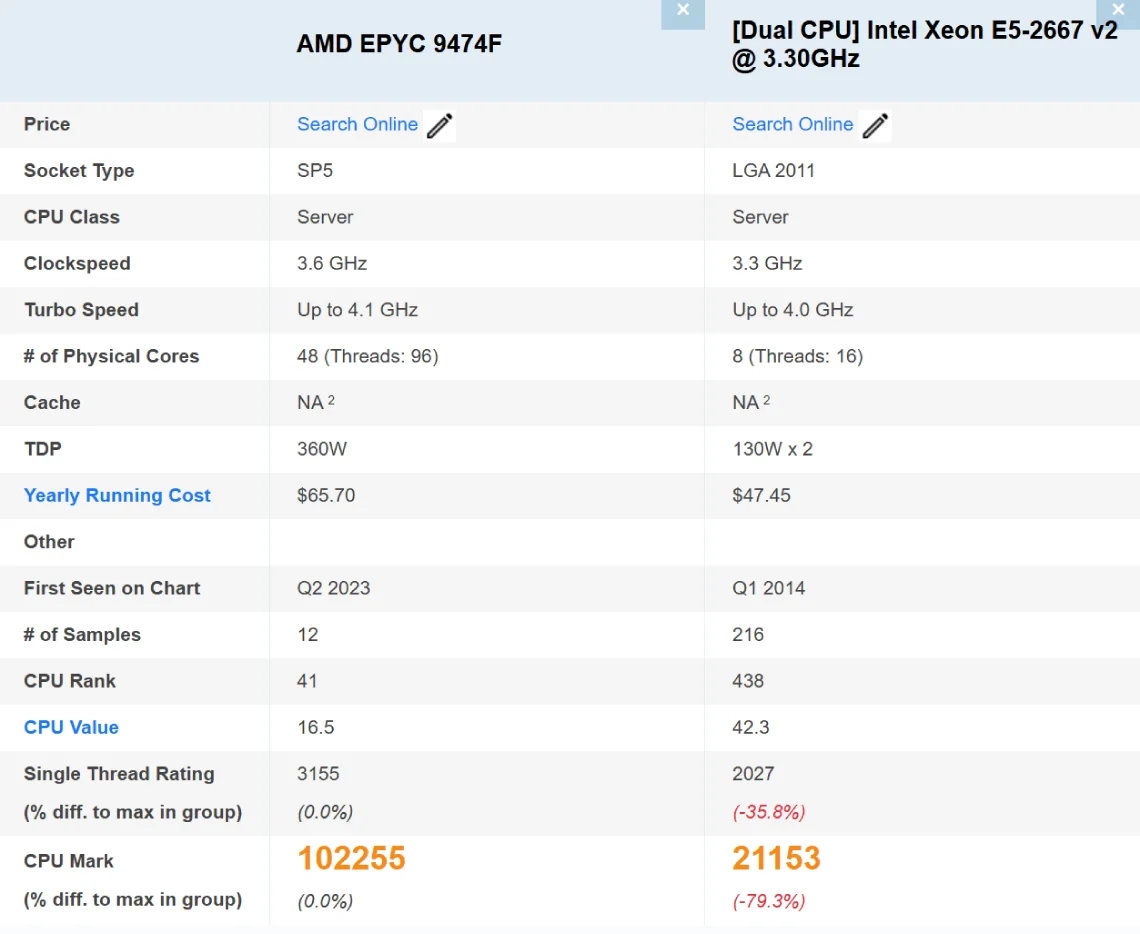
Notes
- PassMark information taken 3/10/2026.
- Multithread performance primarily affects concurrency.
- Single thread performance primarily affects TTFB, load time, wp-admin performance.
- Rocket.net’s CPUs are dual CPUs (2x) with 8 cores + 16 threads = 16 cores + 32 threads.
Performance Benchmarks
Here’s how the Time to First Byte looked when I stacked Rocket.net against my current ScalaHosting setup.
| Metric | Before (Rocket.net) | After (ScalaHosting) |
|---|---|---|
| TTFB | ~100ms??? | ~50ms |
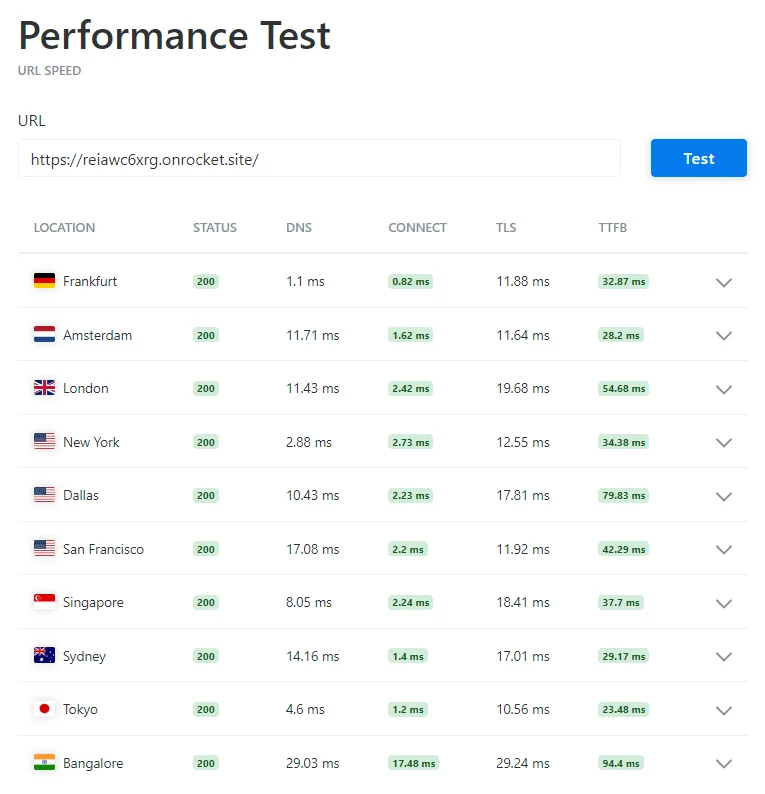
Rocket.net TTFB test
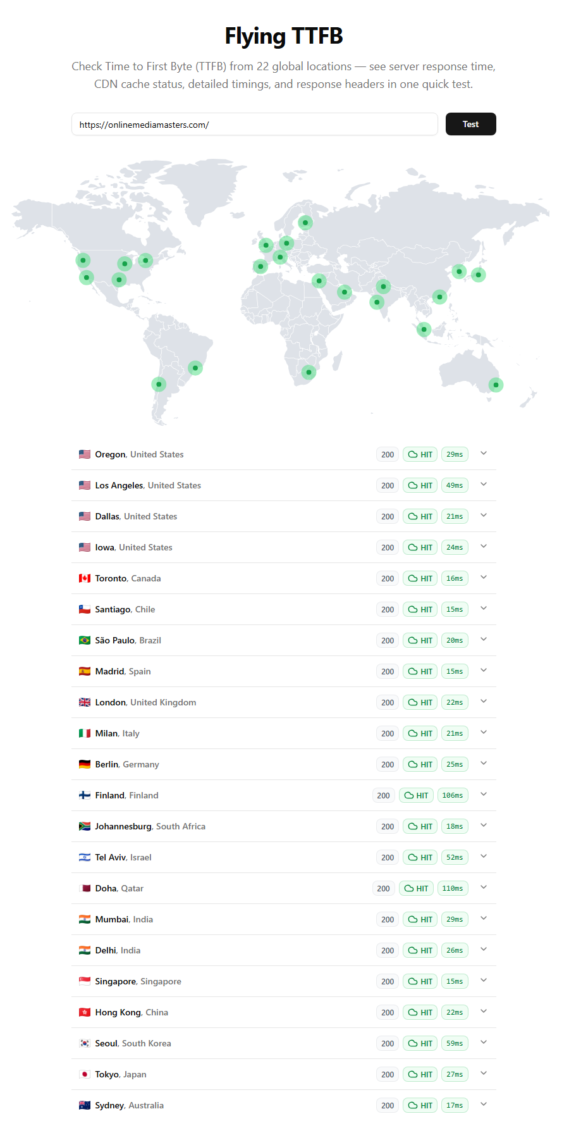
ScalaHosting TTFB test
The raw numbers from the WP Benchmark tool really put things into perspective, showing how ScalaHosting’s optimized stack manages to edge out Rocket.net.
| Metric | Score Rocket.net | Score Scalahosting |
|---|---|---|
| WP Hosting Benchmark Tool | 7.9 | 8.3 |
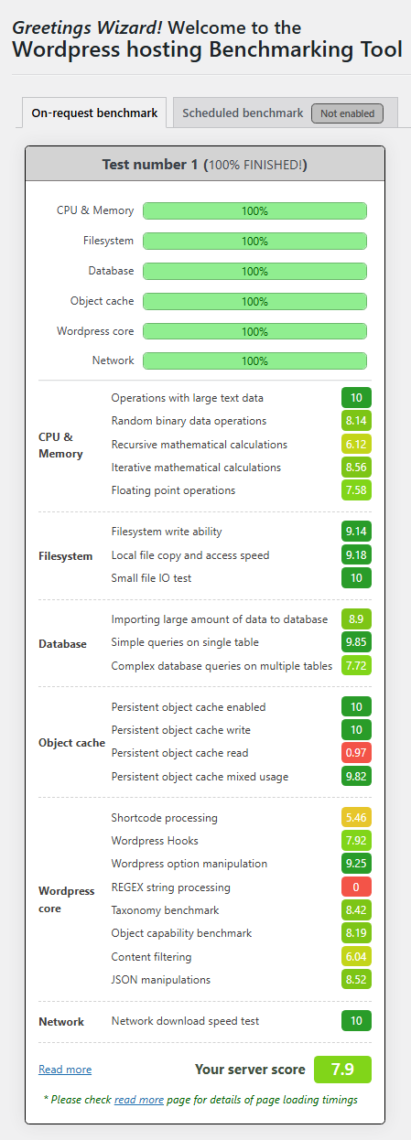
Rocket.net WP benchmark Results
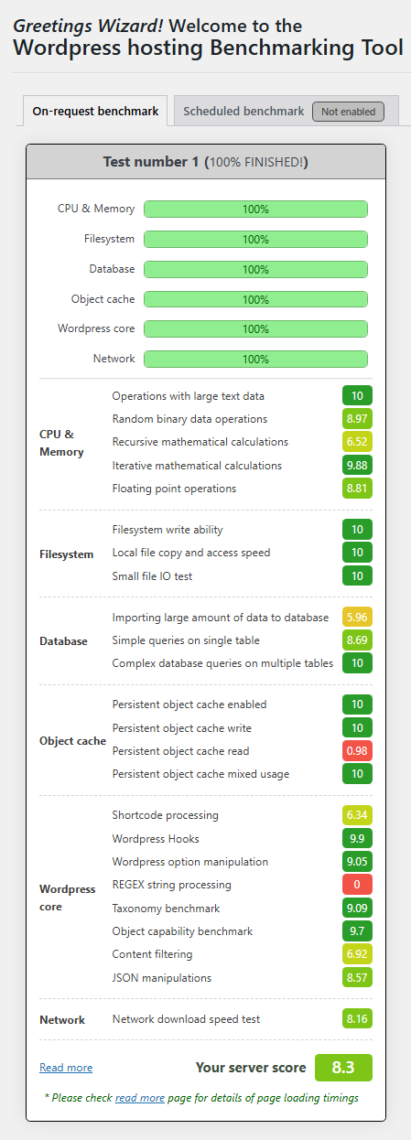
ScalaHosting WP benchmark Results
When I ran the PHP Vitals test to measure how the servers handle heavy dynamic processing, ScalaHosting pulled ahead with a perfect ‘A’ grade, while Rocket.net trailed behind with a ‘B’.
| Metric | Score Rocket.net | Score Scalahosting |
|---|---|---|
| PHP Vitals | B | A |
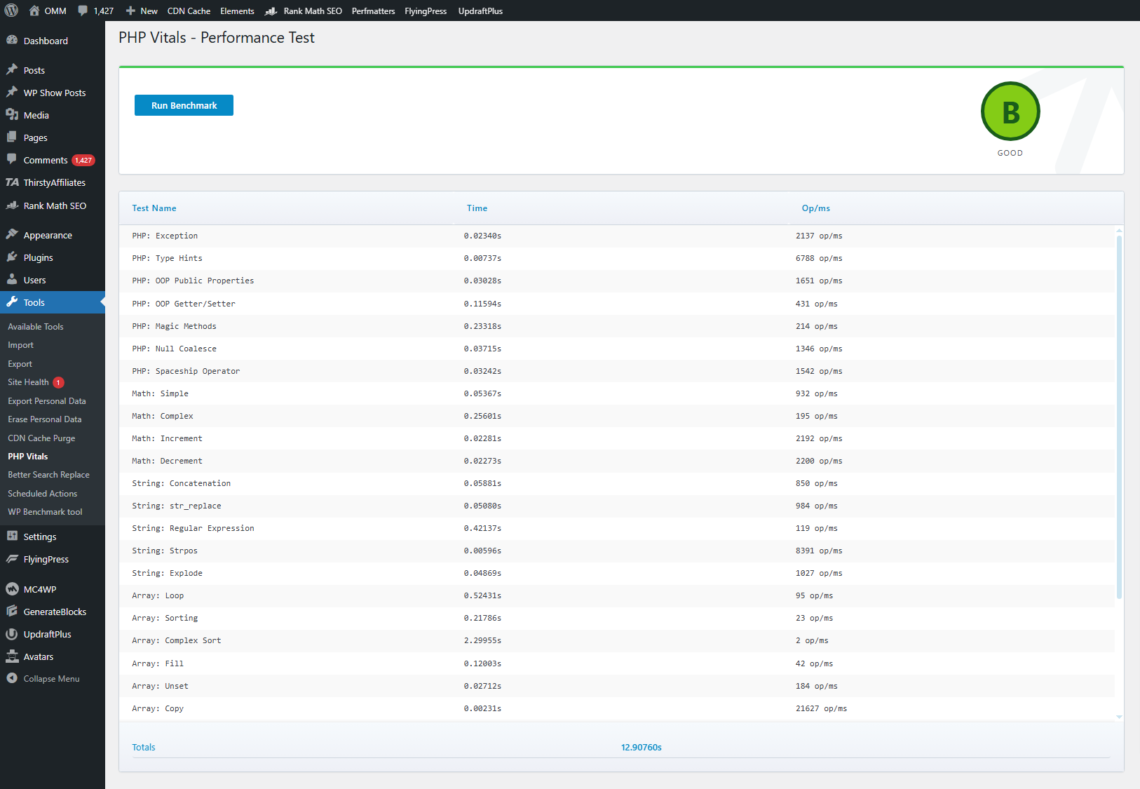
Rocket.net PHP Vitals Score
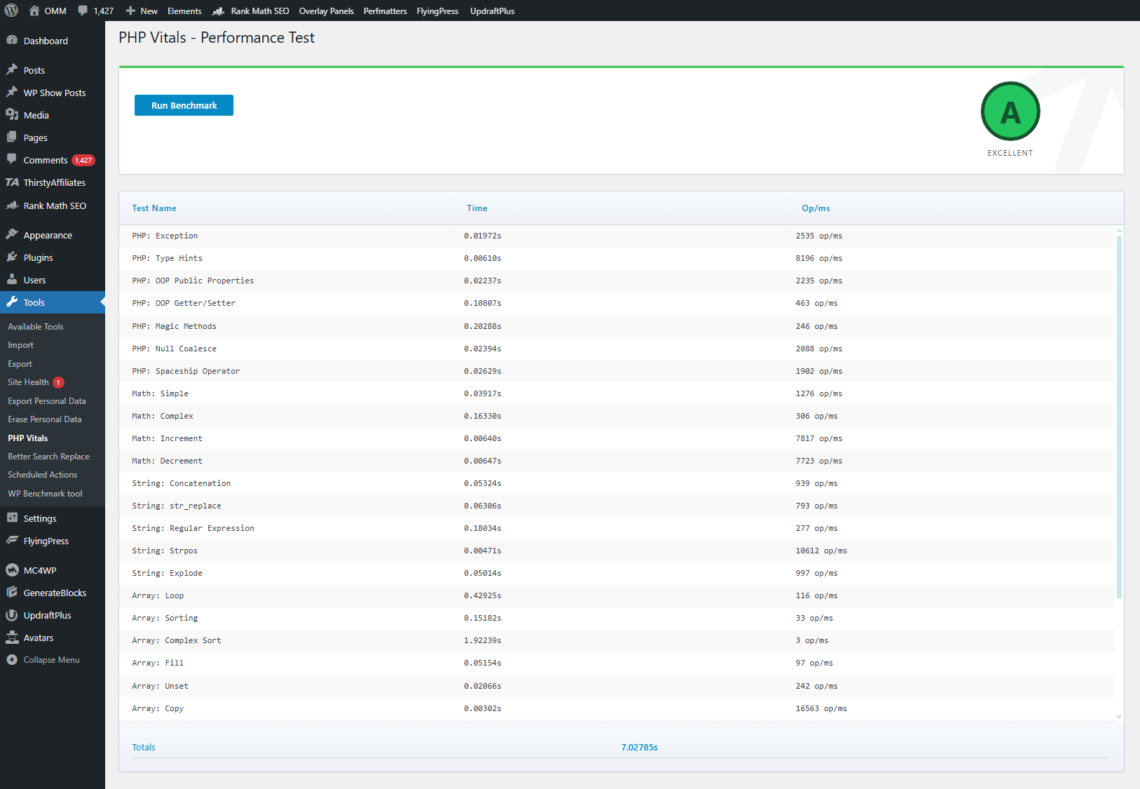
ScalaHosting PHP Vitals Score
Notes
- TTFB only measures first byte and unless you bypass the CDN and other caching layers, does not accurately test hosting performance.
Resource Limit And Price Benchmarks
Here is a comparison of the resource limits and price benchmarks for the hosting solutions.
| Metric | Rocket.net | ScalaHosting Solution |
|---|---|---|
| Bandwidth Limit | 300GB | No limits |
| Environment | Shared Hosting | Dedicated VPS |
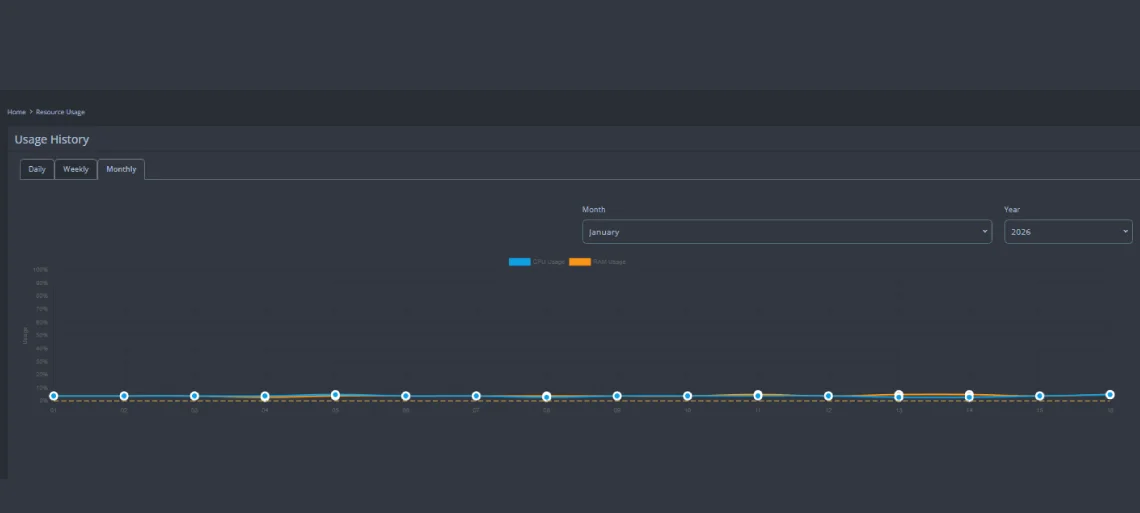
| Resource Usage | Unspecified | 4% |
| Price | $100/month | $52/month |
Notes
- Dedicated CPU/RAM are only used on Rocket.net’s Enterprise plans.
- Rocket.net’s control panel doesn’t disclose CPU/RAM usage (why it’s unspecified).
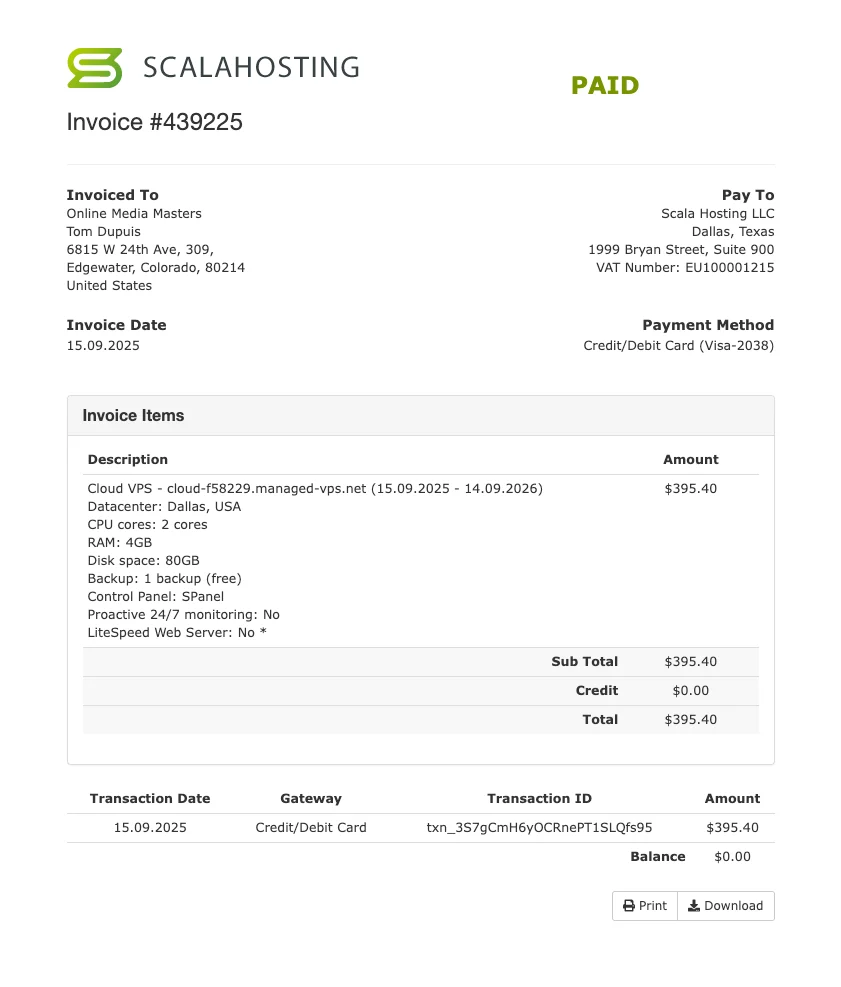
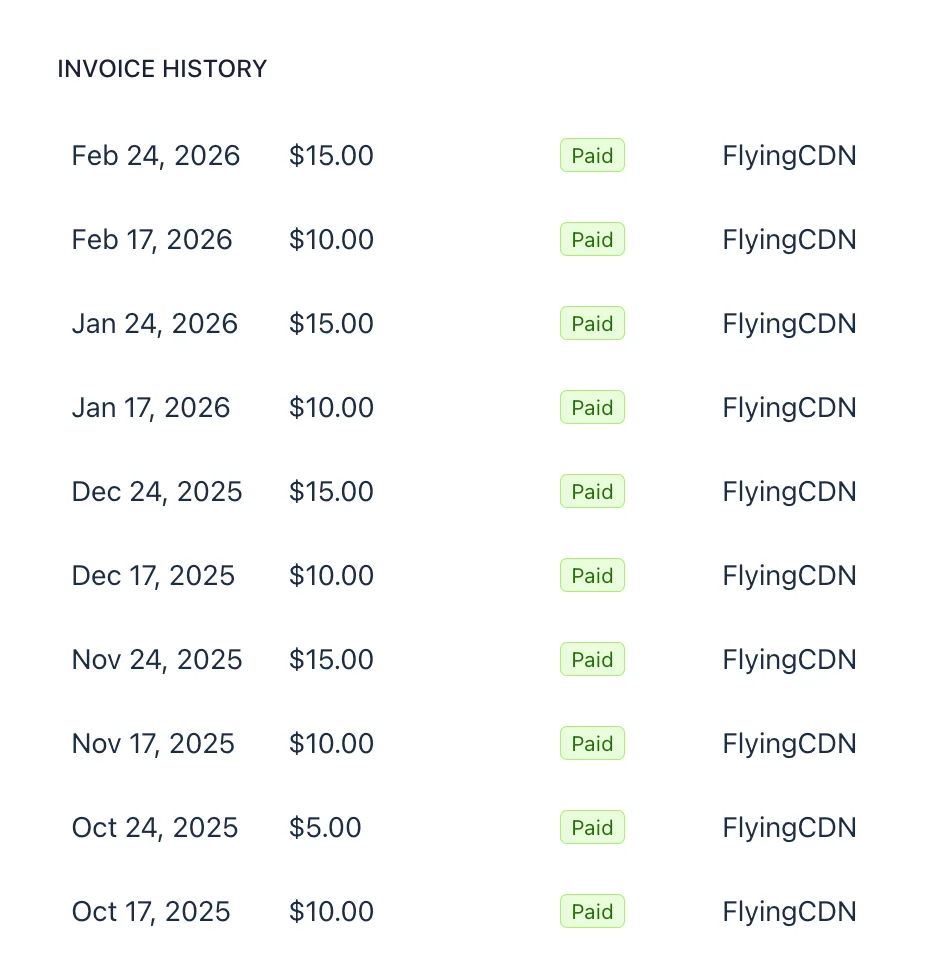
- Rocket.net gave me free hosting, but I would have needed to use their $100/month plan due to bandwidth limits. I paid for my VPS at ScalaHosting without any special discount.
- The new price of $52/month includes $27/month for ScalaHosting’s Build #1 VPS (invoice) + $25/month for FlyingCDN (invoice).
- It’s worth noting FlyingCDN’s Cloudflare Enterprise bandwidth costs 3-6x less than bandwidth on Rocket.net.
- With 4% resource usage, 3-4 similar sites could be hosted on ScalaHosting’s VPS which would make the price even less.
Migration Formula
1) Convert bandwidth to CPU cores + RAM. The formula is 1 CPU core + 2GB RAM for every ~250,000 monthly pageviews (which you can find in Google Analytics).
2). Build your VPS.
3). Learn SPanel by watching these tutorials.
4). Migrate websites yourself (via plugin) or request a free migration from their team (unlimited free migrations). I recommend starting with 1 website to ensure it goes smoothly.
5). Configure backups using a plugin (e.g. UpdraftPlus) or purchase ScalaHosting’s backup add-on (you get 1 free backup on a VPS).
6). Configure FlyingPress + FlyingCDN using my tutorial.
7). Configure Redis using the Redis Object Cache plugin (or ask support).
8). Monitor resource usage to ensure it doesn’t exceed 20% consistently.
Notes
- When converting monthly pageviews to CPU cores + RAM, this can be closer to 150,000 for dynamic/resource-hungry sites or 350,000 for static/well-optimized sites. You’ll want to monitor the server for 10-14 days and make sure your load average isn’t above 20% while having spare CPU resources in case of traffic spikes.
- If you purchased too many CPU cores + RAM, you can remove them and ScalaHosting will issue a refund. If you purchased too little, simply add more. Scaling CPU cores + RAM is also more affordable than scaling to an entirely new plan because of bandwidth limits.
- There are hardly any “extra technical skills” needed to move from “managed hosting” to a managed VPS outside of converting your current hosting plan to CPU cores + RAM and setting up backups. While you have more control over certain settings (e.g. full root access and OpenLiteSpeed), these are usually not needed, especially because the default Apache web server works well with FlyingCDN.
This video demonstrates my WordPress dashboard’s loading speed following the migration to ScalaHosting.
Affiliate Conversion Benchmarks
The most incredible part of this switch wasn’t just the technical speed, but the impact on my bottom line: since I started recommending ScalaHosting over Rocket.net, my affiliate conversion rates have skyrocketed.
| Metric | Before (Rocket.net) | After (ScalaHosting) |
|---|---|---|
| Affiliate Conversion Rate | ~24% | ~88% |
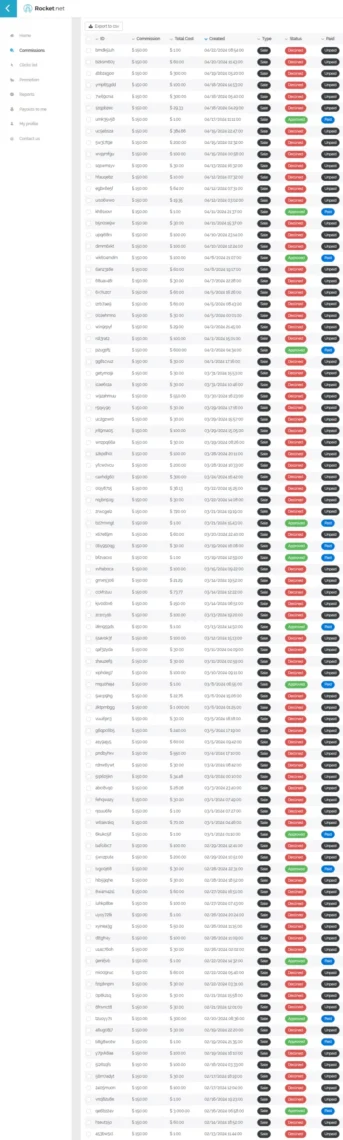
Rocket.net affiliate commission approval
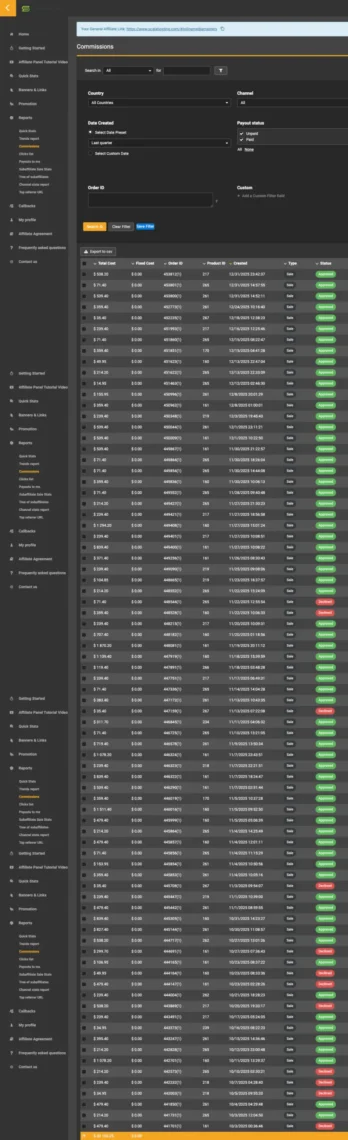
ScalaHosting affiliate commission approval
Notes
- Rocket.net’s affiliate conversions were averaged from 2/13/2024 – 4/22/2024, ScalaHosting’s were averaged from 10/1/2025 – 12/31/2025.
- Another TrustPilot reviewer reported Rocket.net does not process commissions.
A Note About Working With ScalaHosting’s Team
Both Rocket.net and ScalaHosting’s CEO(s) made themselves available to me as I usually have a lot of questions before using (and especially recommending) a hosting company. The support I received from Chris, Vlad, and ScalaHosting’s team was above what I received at Rocket.net. Mainly due to their proactiveness, openness to feedback, and ability to answer technical questions with specific hardware, numbers, and references.
The agents I worked with through their live chat support were also impressive, particularly George who was so helpful in configuring Redis, he sent the developer of the WP Hosting Benchmark Tool plugin suggestions to improve their object cache testing, and the plugin was updated to register it shortly after.